
A well-functioning legal system is essential for justice, economic development, and social stability. However, the effectiveness of a legal system does not depend solely on the existence of laws; it also depends on whether people can realistically access legal remedies and whether disputes are resolved efficiently. High litigation costs, procedural delays, and institutional inefficiencies often prevent individuals and firms from seeking justice, thereby weakening the rule of law and undermining economic performance.
From a law and economics perspective, litigation is not merely a legal process but also an economic activity involving costs, incentives, and strategic behavior. When litigation becomes excessively expensive or time-consuming, access to justice declines, enforcement weakens, and social welfare suffers. This article examines the costs of litigation, their impact on access to justice, and how efficiency considerations can guide legal reform.
Understanding the Costs of Litigation
Litigation costs extend far beyond court fees. They can be broadly divided into direct, indirect, and social costs.
a. Direct Costs
Direct costs include lawyer fees, court fees, expert witness charges, filing costs, and administrative expenses. In many jurisdictions, legal representation is costly, making litigation unaffordable for low- and middle-income individuals. Even businesses may avoid pursuing valid claims when expected legal costs exceed potential gains.
b. Indirect Costs
Indirect costs include time lost, emotional stress, reputational harm, and opportunity costs. Lengthy trials can disrupt businesses, delay investment decisions, and impose psychological burdens on litigants. For individuals, prolonged legal battles may discourage future legal engagement altogether.
c. Social Costs
At the societal level, excessive litigation burdens court systems, diverts public resources, and reduces overall economic efficiency. When courts are overloaded, justice is delayed for everyone, weakening trust in legal institutions.
Economically, high litigation costs increase transaction costs, making legal enforcement less attractive and reducing the deterrent effect of law.
Litigation Costs and Access to Justice
Access to justice refers to the ability of individuals and firms to seek and obtain remedies through formal legal institutions. High litigation costs pose one of the greatest barriers to access.
a. Unequal Access
When litigation is expensive, wealthier parties gain an advantage. Poor or marginalized individuals may abandon legitimate claims or accept unfair settlements. This creates a justice gap where legal rights exist on paper but not in practice.
b. Chilling Effect on Claims
Potential plaintiffs may rationally choose not to file cases due to cost-benefit considerations. If expected costs exceed expected compensation, even strong cases go unpursued. This weakens accountability and allows harmful behavior to continue unchecked.
c. Impact on Vulnerable Groups
Women, informal workers, small businesses, and rural populations are particularly affected. For them, litigation costs — including travel to courts and legal representation — are often prohibitive, reinforcing social and economic inequality.
From an economic perspective, limited access to justice leads to under-enforcement of legal rules, reducing deterrence and increasing socially harmful conduct.
Efficiency in Litigation: An Economic Framework
Efficiency in legal systems means resolving disputes at minimum social cost while achieving accurate and fair outcomes. Law and economics emphasizes both procedural efficiency and substantive efficiency.
a. Procedural Efficiency
Procedural efficiency focuses on how disputes are resolved — including case duration, procedural complexity, and administrative burden. Delayed justice increases uncertainty and economic risk. A slow judicial system effectively raises the cost of enforcing contracts and property rights.
b. Substantive Efficiency
Substantive efficiency concerns whether legal outcomes promote socially optimal behavior. For example, damages should reflect actual harm to deter misconduct without over-punishing. Excessive penalties may discourage productive activity, while weak sanctions fail to deter wrongdoing.
Efficient litigation balances accuracy, fairness, and cost — recognizing that perfect accuracy at infinite cost is undesirable.
Litigation Costs, Settlement, and Strategic Behavior
High litigation costs influence how parties behave before and during disputes.
a. Incentives to Settle
When litigation is costly and uncertain, parties often prefer settlement. Settlements can reduce court burden and save resources. However, when one party is significantly wealthier, settlements may reflect power imbalance rather than fairness.
b. Strategic Litigation
Wealthy defendants may use high costs strategically to delay proceedings, exhausting opponents financially. This practice — sometimes called “litigation by attrition” — undermines justice and efficiency.
c. Fee-Shifting Rules
Rules on who pays litigation costs affect incentives.
- American Rule: each party bears its own costs, which may encourage frivolous suits.
- English Rule: loser pays costs, which may discourage weak claims but also deter legitimate ones.
Economic analysis helps evaluate which rules best balance deterrence and access.
Alternative Dispute Resolution (ADR) and Cost Reduction
To improve access and efficiency, many systems promote Alternative Dispute Resolution (ADR) mechanisms such as mediation, arbitration, and negotiation.
a. Advantages of ADR
- Lower costs and faster resolution
- Informal procedures
- Reduced court congestion
- Greater flexibility and confidentiality
From an economic standpoint, ADR lowers transaction costs and improves dispute resolution efficiency.
b. Limitations of ADR
ADR may disadvantage weaker parties, especially in mandatory arbitration settings where bargaining power is unequal. Therefore, safeguards are necessary to ensure fairness and voluntariness.
Public Legal Aid and State Intervention
Because markets alone cannot guarantee equal access to justice, the state plays a vital role.
a. Legal Aid Programs
Publicly funded legal aid helps low-income individuals pursue claims. From an economic perspective, legal aid improves enforcement, enhances deterrence, and promotes social welfare.
b. Cost–Benefit Justification
Although legal aid requires public spending, it can reduce long-term social costs by preventing exploitation, promoting compliance with law, and reducing informal or violent dispute resolution.
c. Technology and Efficiency
Digital courts, online filing systems, virtual hearings, and legal tech tools reduce administrative costs and improve access — particularly in remote areas.
Litigation Costs and Economic Development
Efficient, accessible legal systems are crucial for economic development.
- Businesses rely on enforceable contracts and predictable dispute resolution.
- High litigation costs discourage entrepreneurship and investment.
- Weak enforcement encourages informality and corruption.
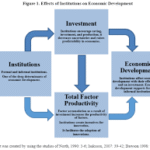
Countries with slow, expensive judicial systems often experience lower investment, reduced productivity, and greater inequality.
From a development perspective, improving litigation efficiency and access to justice supports market development, social trust, and economic growth.
Policy Implications and Reform Strategies
To reduce litigation costs and improve access and efficiency, policymakers should:
- Simplify procedures and reduce unnecessary formalism
- Promote ADR while protecting weaker parties
- Expand legal aid and public interest litigation
- Invest in judicial capacity and training
- Use technology to streamline court processes
- Discourage strategic delay tactics
- Ensure transparency and accountability in courts
Such reforms align legal systems with economic efficiency while preserving fairness.
Conclusion.
The costs of litigation play a decisive role in shaping access to justice and the efficiency of legal systems. When litigation becomes too expensive or slow, legal rights lose practical meaning, enforcement weakens, and economic activity suffers. From a law and economics perspective, efficient dispute resolution is not merely a legal ideal but an economic necessity.
By reducing litigation costs, improving access to justice, and enhancing institutional efficiency, societies can strengthen the rule of law, promote fairness, and support sustainable economic development. Ultimately, justice that is inaccessible or inefficient is justice denied — not only legally, but economically and socially as well.